
What if college wasn’t in America?
American students are earning full bachelor’s degrees in Germany, the Netherlands, France, and beyond — taught entirely in English, often for a fraction of U.S. tuition. Senderia puts the programs, requirements, costs, and deadlines in one place, and uses AI to work out whether it’s right for you.
Is Europe actually an option for you?
Three questions. Senderia answers all three — for your record, your budget, and your timeline, not a generic profile.
Can I get in?
Your transcript, subjects, and AP/IB — checked against each country's real admission routes, not a generic GPA cutoff.
Can I afford it?
Tuition, housing, food, insurance, and flights for the whole degree — compared against your actual U.S. alternative, not just sticker tuition.
Is there still a path?
Deadlines by country, checked against your class year. A tight cycle isn't a dead end — a later intake, a gap year, or a different country can still work, and that's exactly what Pathfinder is built to reason through with you.
What you actually get
A verdict on whether each country works for you, the programs that fit ranked against each other, and the checklist that turns a shortlist into submitted applications. Here’s the shape of it.
Start with the question that decides it.
Six countries, six very different price tags — and the gap between the cheapest and the most expensive is wider than the gap between some of them and staying home.
This isn’t study abroad.
Study abroad and earning your degree abroad are two completely different decisions.
Study abroad
American university→a semester overseas→credits transfer home
Senderia
American high school→foreign university→the whole degree
It’s a bigger decision than a semester abroad — and almost nobody is helping American families make it well.
Who this is for?
You don’t need a perfect application to qualify — you need curiosity and an open mind. If any of this sounds like you, a degree abroad is worth exploring.
A global mindset
You're curious about how people live, learn, and work outside the U.S. — and you want that to be part of your degree, not just a vacation.
A desire to expand your horizons
You want a college experience that's bigger than the town you grew up in, with a network that spans continents by graduation.
Average grades, welcome
Many European universities admit on a transcript and a subject match, not a GPA arms race. A B-average student can be a strong applicant.
Skip the SAT/ACT grind
A lot of bachelor's programs abroad don't require U.S. standardized test scores at all — one less hurdle, one less expense.
Love of travel and new people
If a new city, a new language, and a dorm full of people from twenty countries sounds exciting rather than scary, you'll thrive.
You know what you want to study
European programs put you into your major on day one — there's no general-education year to work through first. It's part of why most European bachelor's degrees run three years rather than four.
What would your degree actually cost?
Not tuition — the whole thing. Tuition, housing, food, insurance, books, visa, and a flight home each year, across the full length of the degree. Here is the same model run against a U.S. baseline and against each of the six starting countries.
Staying home
4 years, published averages
- Public university, in-state$99,680
- Public university, out-of-state$173,840
- Private nonprofit university$234,400
Going to Europe
Typical spending, one flight home a year
- Germany · 3 yr$64,945
- Italy · 3 yr$66,674
- France · 3 yr$78,031
- Sweden · 3 yr$86,720
- Spain · 4 yr$106,214
- Netherlands · 3 yr$127,010
The spread is the point. A degree in Germany comes out around $64,945 all in, against $234,400 for a private U.S. university — but the Netherlands lands at $127,010, which is more than the $99,680 in-state option. “Cheaper in Europe” is true on average and false in particular cases, which is exactly why the comparison has to be run for your situation rather than quoted from a headline.
European figures are this site’s own total-cost model at typical spending with one flight home per year, and vary by city and by program. U.S. figures are published national averages of tuition & fees plus room and board over 4 years — not what any one family pays after aid, and not a substitute for your own offer letters. Per-country tuition, housing, and living figures carry their own sources on each country page.
The cost reality
Tuition alone tells you less than you’d think. Here’s what published tuition actually looks like on each side of the Atlantic.
CU Boulder — a representative U.S. public university
Estimated 4-year total cost of attendance (tuition, fees, room, and board), including a projection for 2030.
Nominal dollars, not adjusted for inflation. These are estimated, illustrative figures rather than an official published dataset — the 2030 figure in particular is a projection, not a fact. Treat as directional, not a verified cost.
Europe — published tuition, non-EU rate
Germany
€100–400/semester at most public universities (tuition-free); Baden-Württemberg charges non-EU students €1,500/semester
Netherlands
€8,000–25,000/year tuition (non-EU, bachelor's, varies by university)
France
€2,895/year tuition + ~€105 CVEC (non-EU, public bachelor's)
Spain
€3,000–12,000/year tuition (non-EU, public)
Italy
€900–4,000/year tuition, income-scaled (public, ISEE system)
Sweden
SEK 80,000–200,000/year tuition (non-EU, set per programme, not nationally)
There’s a structural difference too: most European bachelor’s degrees run three years rather than four, and students generally enter their major directly instead of working through the general-education requirements that fill much of a U.S. freshman year. Liberal-arts colleges in Europe are the exception, and some programs do run four years. But where it applies, a year less is a year less of tuition, housing, and food — a difference a tuition-only comparison never shows.
The U.S. figures already include room, board, books, and personal expenses. The European figures are tuition only — housing, food, insurance, flights, visas, and books are on top, and they vary a lot by city. Even so, tuition is often the smallest line item on a European degree, which is the opposite of the U.S. Building an honest, all-in comparison for your specific situation is exactly what Senderia is for.
How Senderia helps
Senderia walks you through the whole journey — personalized to your record, budget, and goals, with AI guidance rather than a search box. Available 24/7, not an appointment with a consultant billing roughly $200/hour.
Consultant rate reported by the Independent Educational Consultants Association, via Private Prep, Cost of College Admissions Consultants (2026).
Step 1
Explore countries
Step 2
Find programs
Step 3
Compare total cost
Step 4
Check eligibility
Step 5
Build a shortlist
Step 6
Decide where to apply
Step 7
Understand applications
Step 8
Track requirements
Step 9
Navigate visas & housing
Want the dates? See the full application and visa timeline.
Where we start
Six EU countries with strong English-taught bachelor’s options for American students.

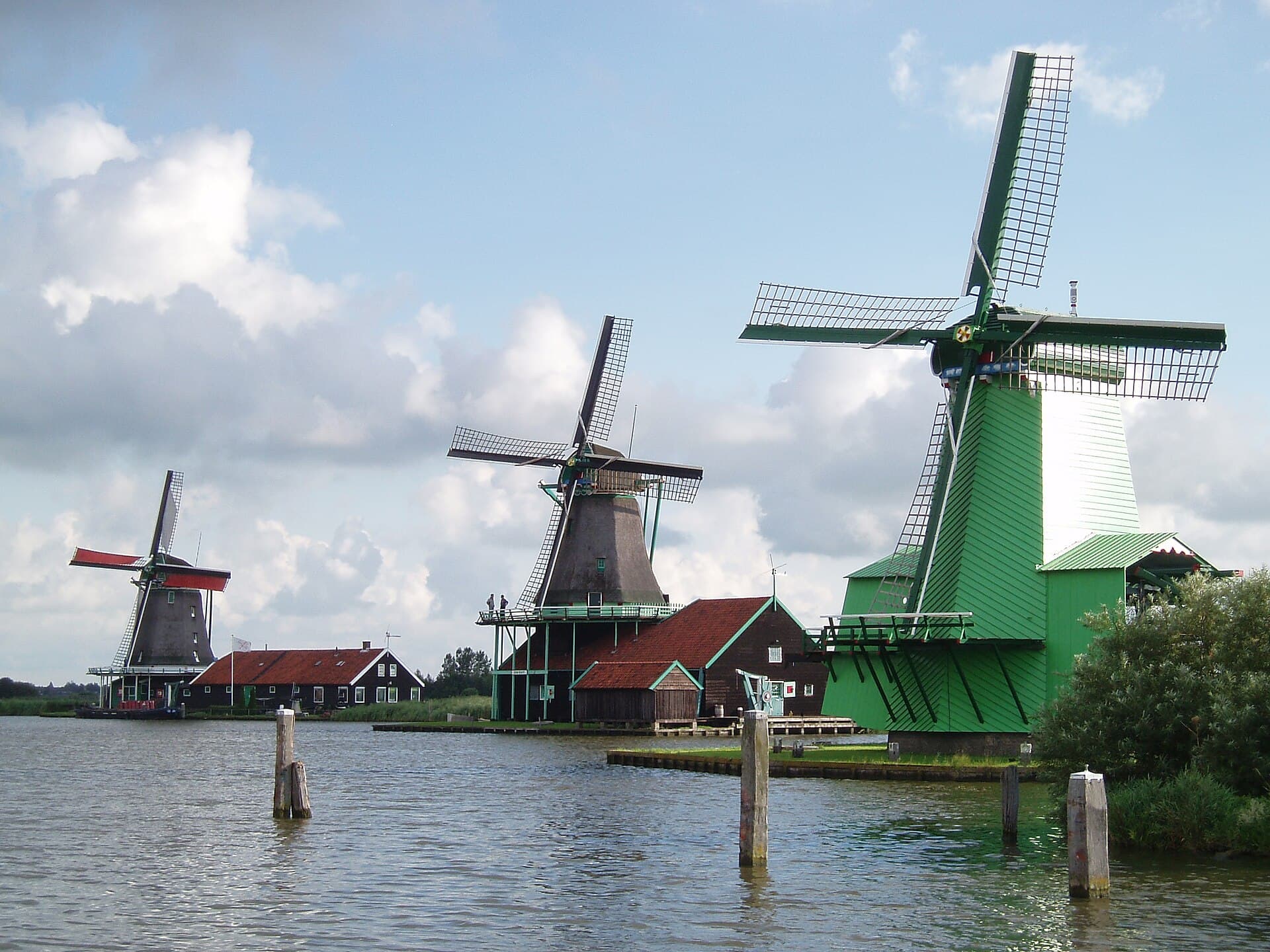


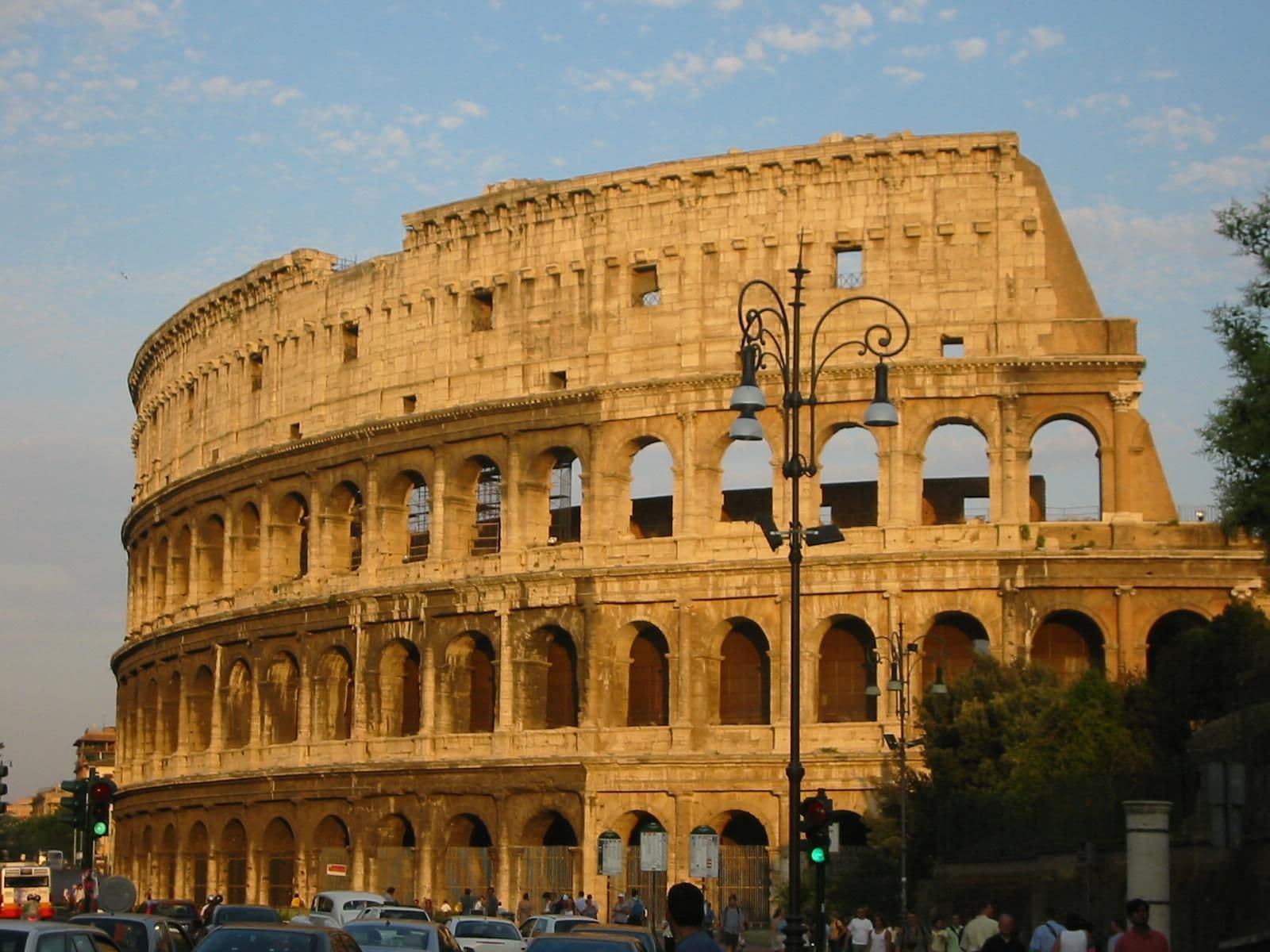
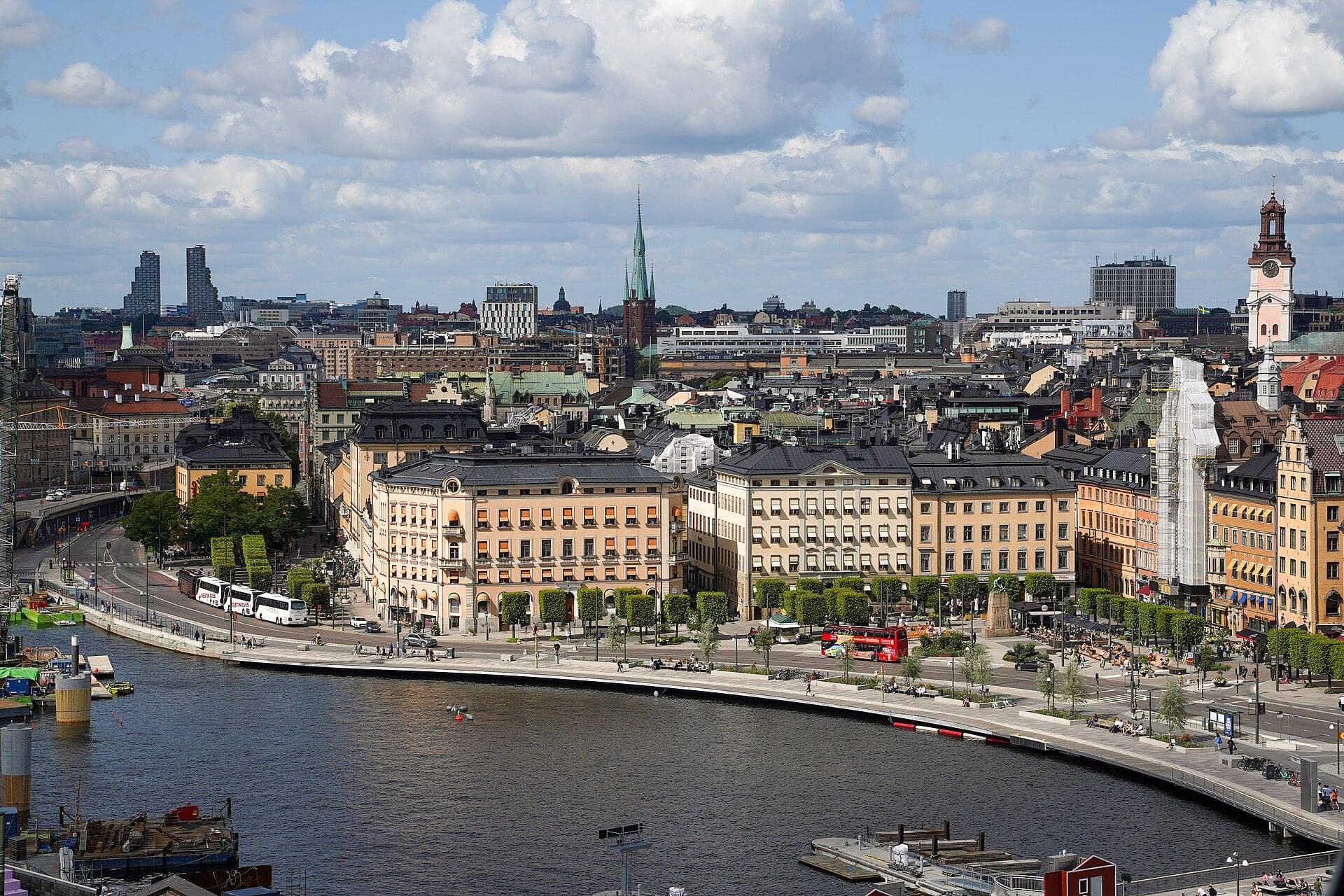
Compare cost and eligibility across every country in the catalog →
Photos via Wikimedia Commons: Norbert Nagel, Wikimedia Commons, CC BY-SA 3.0 · Malis, Wikimedia Commons, public domain · Pierre Blaché, Wikimedia Commons, CC0 · Peter Broster, Wikimedia Commons, CC0 · Kevin Brintnall, Wikimedia Commons, public domain · OleNeitzel, Wikimedia Commons, CC BY 4.0
The parts that don’t fit on one page.
Everything above is the case for looking. These are the questions that decide it — including the ones where the honest answer is that a degree abroad is the wrong call for you.
Why not Europe?
The six objections we hear most, answered the way we'd answer them if you were family. Three of them are partly right, and we say so.
Read the case against →For parents
Whether the degree is recognized back home, what federal aid travels and what doesn't, whether a 529 can pay for any of it, housing, and what happens after graduation.
Read the parent questions →Life there
Whether you can work and how much, how far the permit in your pocket actually lets you travel, and whether the degree puts you in a workplace before it ends.
Read what the years include →Be first to know.
We’re building the full guide now. Leave your first name and an email address and we’ll tell you the day it opens — that’s the whole form.
Sources
- Germany: Study in Germany for Free
- Netherlands: StudyPath, Dutch Tuition Fees 2026
- France: Campus France (official)
- Spain & Italy: Mastersportal, Tuition Fees at Universities in Europe
- Sweden: University Admissions in Sweden, tuition fees (official)
- Degree length: European Higher Education Area, three-cycle system
- U.S. baseline: College Board, Trends in College Pricing 2025 (official)
- Exchange rates: XE currency tables
Degree length: 180–240 ECTS, usually three years. Figures reflect 2025–2026 published rates and change annually — verify current numbers directly with each institution before making a decision. Last verified August 2026.